October 08, 2026


Your first visit to a British pub can feel like walking into a party where everyone knows the rules except you. Nobody minds. Pubs are among the most forgiving places in Britain, provided you know where to stand, how to order, and when to go home. Here is the whole evening, from the front door to the last bell.
The good news is that the rules are few, they are mostly about courtesy, and nobody is watching you half as closely as you think. Get three things right — the bar, the round, and the bell — and you will move through a pub evening like someone who has been doing it for years.
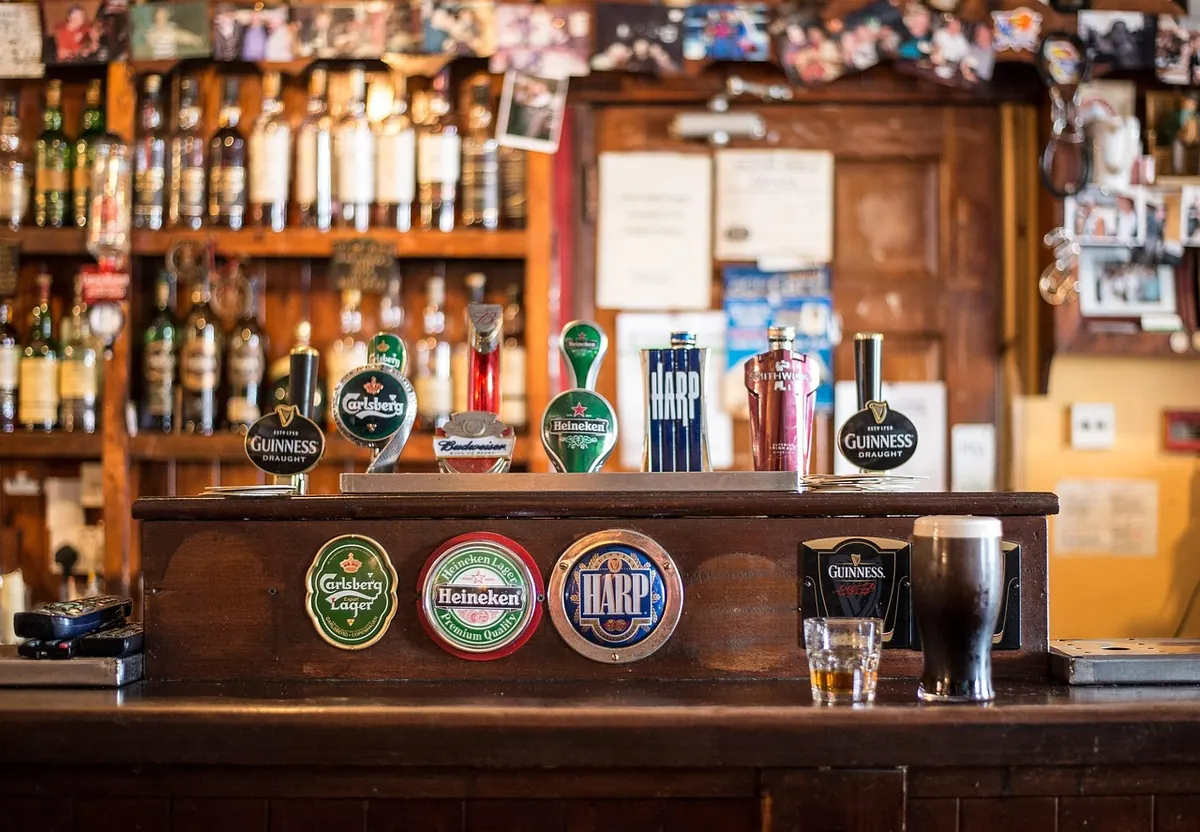
Most pubs have no host and no greeting desk. You walk in, find a free table, claim it with a coat if you like, then head to the bar to order. Standing at the bar is normal. It is not the waiter's station; it is the counter where everything happens. Order there, then step aside so the next person can reach it.
If you are in a group, send one person to order rather than six. The one with the clearest head for drinks is the one who goes. Everyone else stays at the table, guarding the coats and the seats, which is a genuine job on a busy Friday night.
Some pubs, especially food-led ones, now offer table service. If there is a menu on your table, a table number on a wooden block, or a sign saying "order at the table", do that instead. When in doubt, ask. A bartender would far rather answer "do I order here or at the table?" than watch you stand in the wrong place for ten minutes.
The bar is also where you ask questions, and asking is completely acceptable. "What's the bitter like?" "Is that one very hoppy?" "Can I try a small taste of the cider?" All normal. A good pub will let you sample before committing to a full pint, particularly with cask ales.
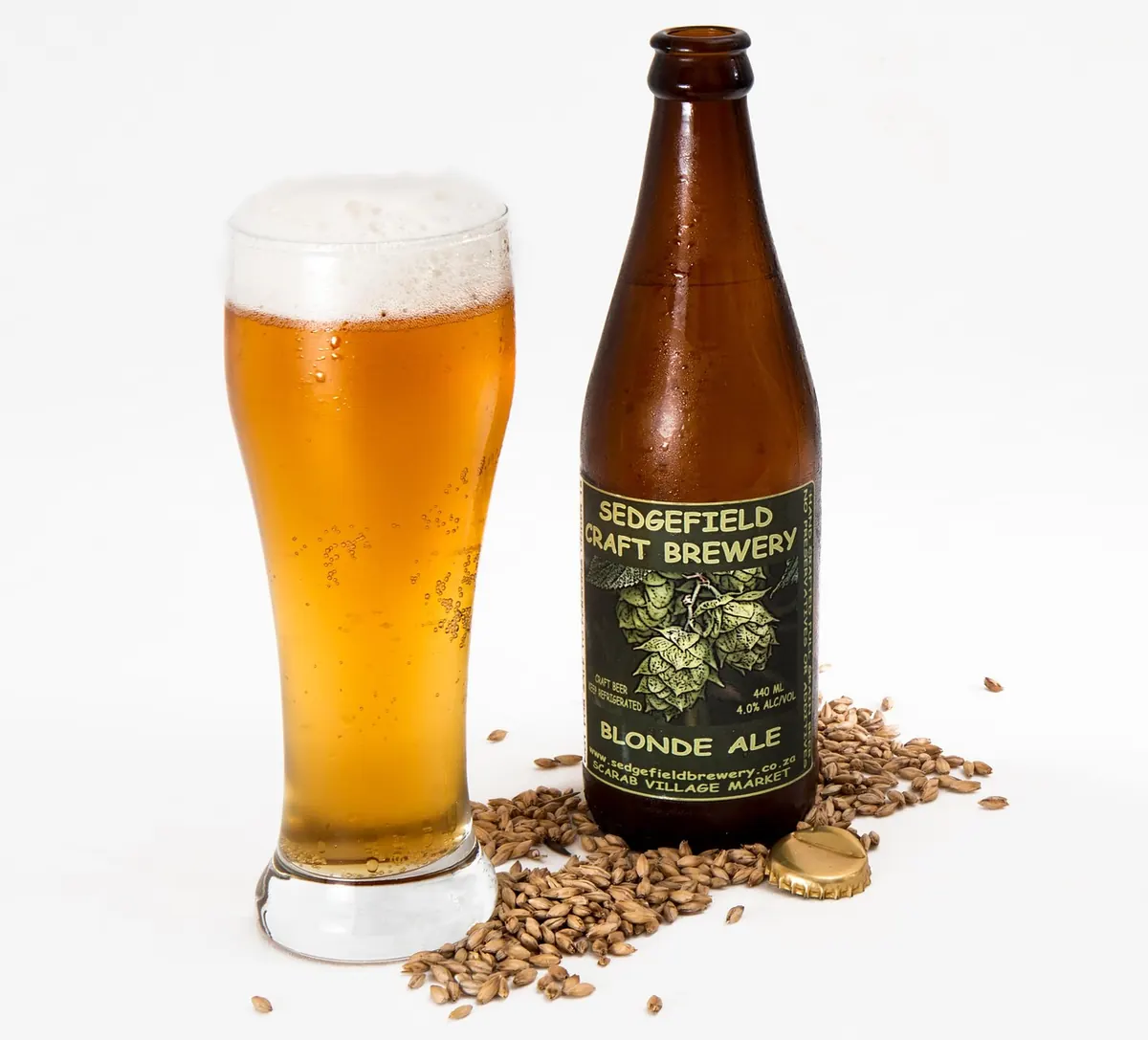
British pub drinks fall into a few broad families, and knowing them saves a lot of pointing.
A "half" is exactly that: half a pint. It is the perfect way to try something new, to pace yourself, or to join a round without committing to a full evening's worth of drinking.
In Britain, drinks are usually bought in rounds, not individually. One person goes to the bar and buys for the whole group. Then someone else does. Over an evening it roughly evens out, and nobody keeps a spreadsheet — but everybody notices who never buys.
If you are invited into a round, join it and buy your turn when it comes. If you would rather not drink much, that is fine: buy your round, order a half or a soft drink, and the system still works. The offence is not the small drink; it is letting three people buy for you and never reaching for your wallet.
When someone says "it's my round", the correct response is "same again?" or "thanks, I'll have the same." It is not a negotiation, and it is not a moment to order something expensive.
Paying separately is perfectly normal too, especially among younger drinkers and in groups who have just met. Just be clear from the start: "I'll get mine separately, thanks." That avoids any awkwardness later.
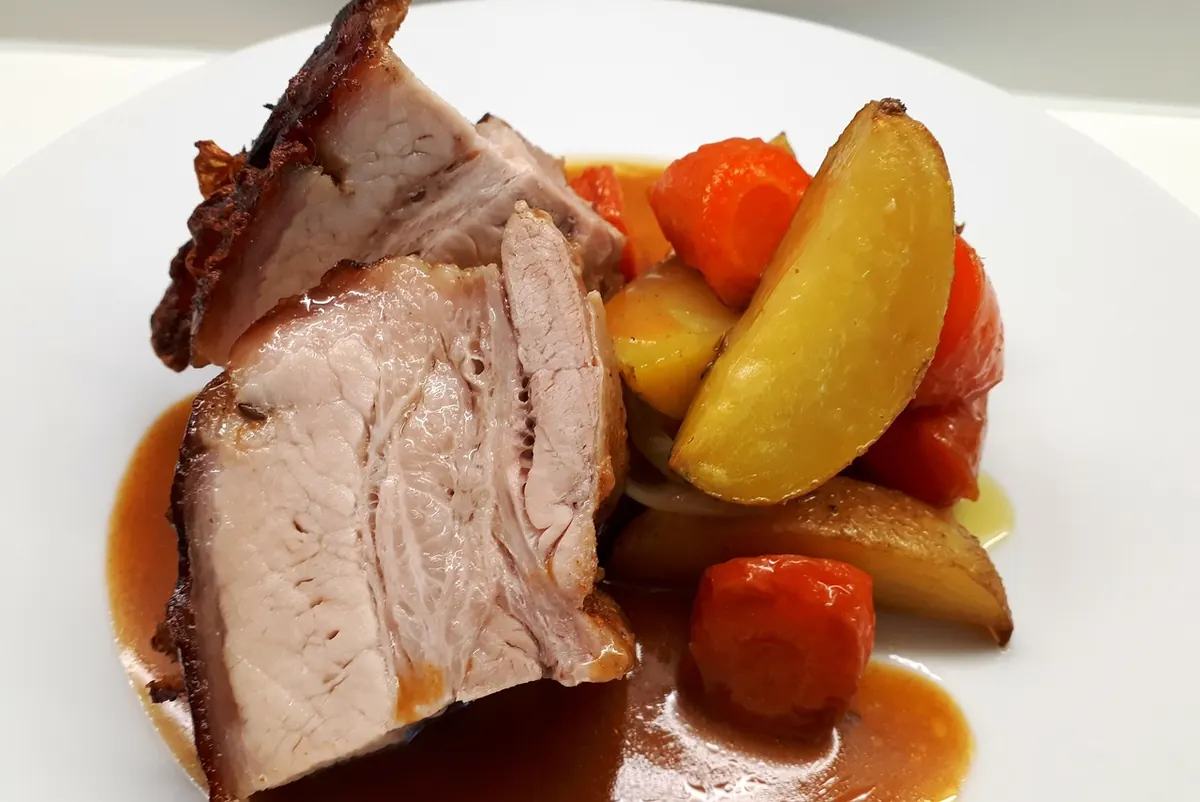
Pub food is one of Britain's great pleasures, and ordering it is straightforward once you know the system. In many pubs you order at the bar, give your table number, and food is brought to you. If the table has a number on a wooden block, that is your cue. Some pubs want you to order at the bar and collect from a hatch; the sign will tell you.
Watch the times. Kitchens usually serve lunch from around noon to 2:30 p.m. and dinner from 6 p.m. to 9 p.m., and many stop serving altogether on Sunday evening. If you arrive at 9:45 p.m. hoping for a roast, the answer will be no — politely, but no.
Two useful habits: ask "are you still serving food?" before you settle in, and remember that tipping is not expected. A little round-up or "keep the change" is a kind gesture, not an obligation, and table service often includes a small optional service charge.
At around ten to eleven, a bell rings or someone calls out "last orders, please!" This is your final chance to buy drinks. The bar will take orders for a short while after the bell, then the tills close. This last stretch is the famous "drinking up time" — usually ten to twenty minutes to finish what is in front of you.
When the landlord says "time, gentlemen, please", it is not a suggestion. Finish your drink, gather your things, and leave without making a fuss. Regulars in some pubs get a lock-in — the doors close, the curtains stay drawn, and a few people stay on quietly. You will not be invited to one on your first visit, and asking for one is the fastest way to guarantee you never are.
That is the whole evening. Walk in, claim a table, order at the bar, join the round, eat something fried, watch for the bell, and leave when they tell you to. Do that once and the next visit stops feeling like an exam and starts feeling like a habit — which, in Britain, is exactly what a good pub is supposed to become.
Photo: George Morina / Pexels
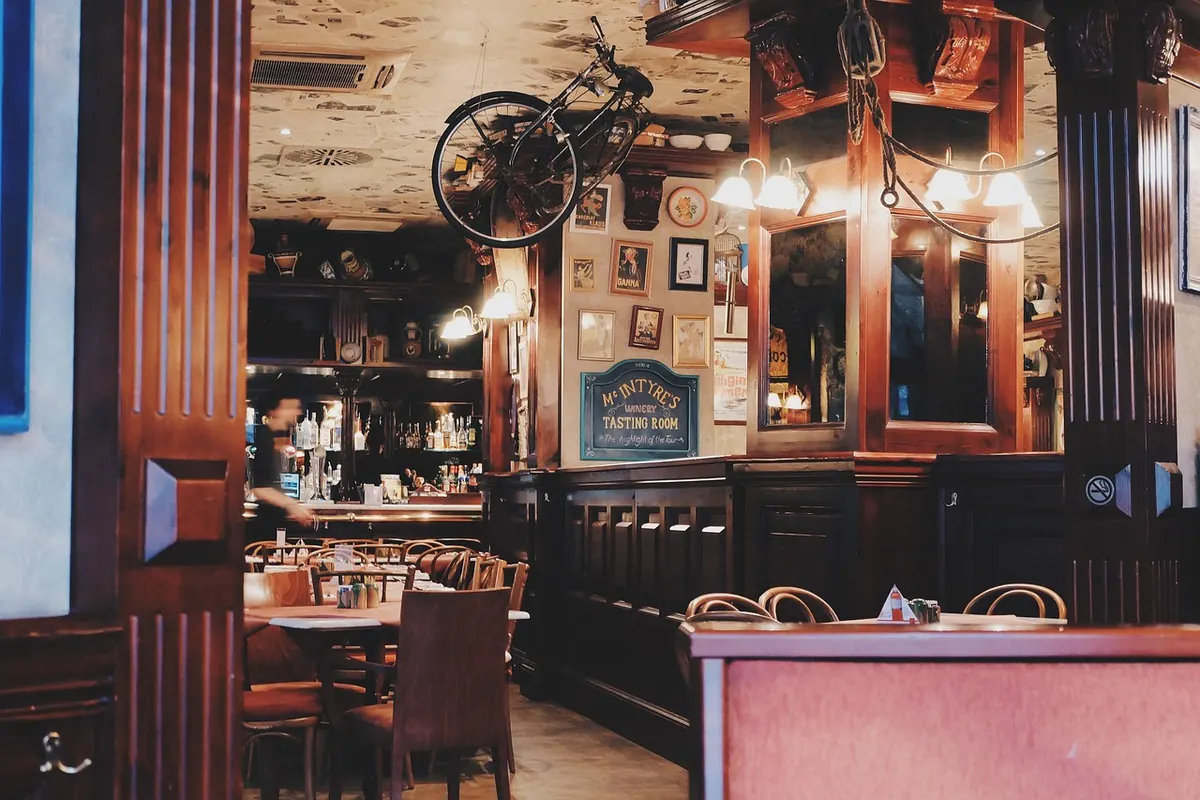
Your happy place for drinks and good company.
Copyright © 2026 Cheerful Pub. All rights reserved. Cheerful Pub.