October 08, 2026


A Sunday roast is the one meal a pub cannot fake. Everything about it is exposed: the potatoes, the gravy, whether the kitchen carved the meat to order or sliced it an hour ago and left it under a lamp. That is why recommendations travel by word of mouth. Ask four neighbours where to go and you will get four different answers, each delivered with real conviction.
What follows is not a list of the best pubs. It is the set of decisions you make on the day — which meat, which sides, how much, and what time to walk through the door — so that the roast you get is the roast you wanted.
Most roast menus are built around three or four meats, and the kitchen is usually better at some than others. Learn to read the signs.
Beef. Look for the cut named on the menu. Rib and sirloin are carved thick and served pink if you ask; topside and silverside are leaner, cooked through, and slice thin. If you like beef rare, say so when you order rather than when it lands — some kitchens roast a whole joint to one temperature and cannot change it per plate.
Lamb. Slow-roasted shoulder is the forgiving choice: it falls apart, tastes of the herbs it was cooked with, and survives a busy service. Leg of lamb is sliced, which means it can be dry at the edges. If the menu says shoulder, order it.
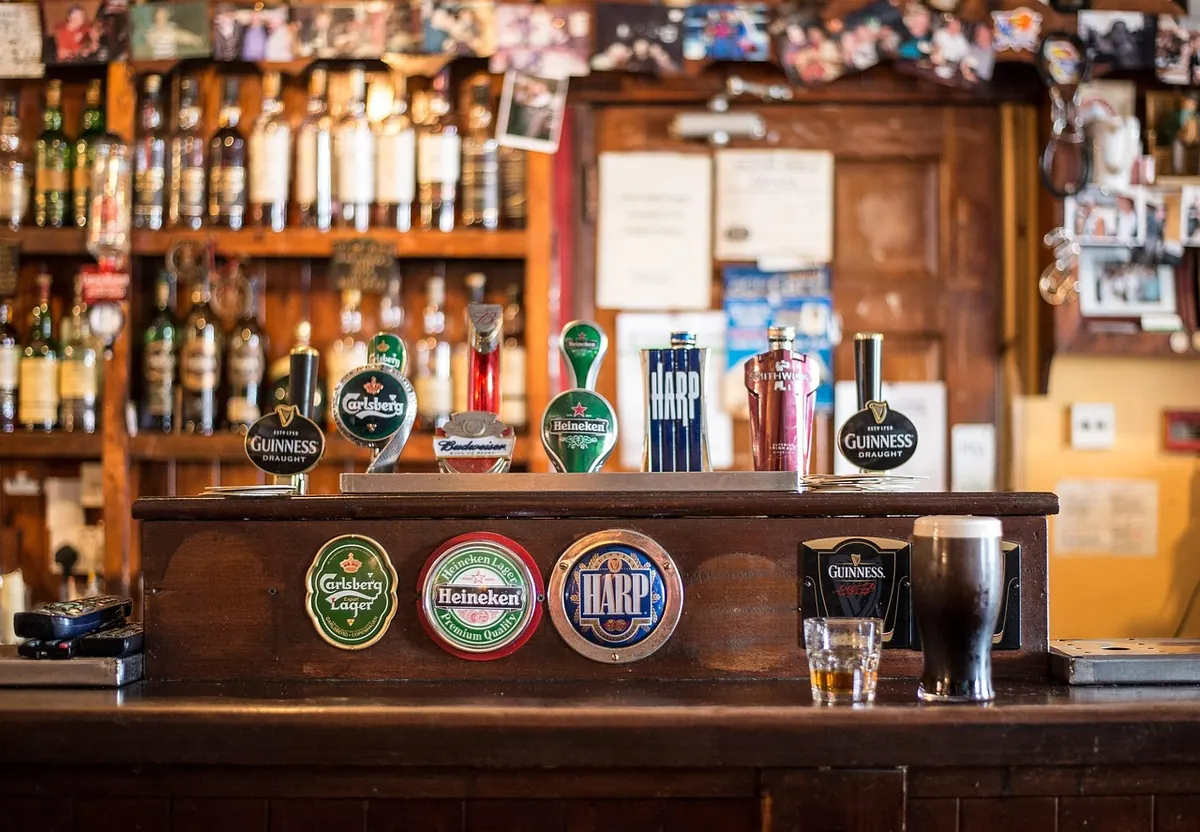
Pork. The whole dish hangs on the crackling. It should be brittle and blistered, not chewy and pale. If you are ordering pork, ask whether the crackling is done that day. Apple sauce should arrive cold and sharp, not warm and sweet like jam.
Chicken. Half a roast chicken is the easiest thing on the menu and the least interesting when a kitchen is coasting. A good version tastes of lemon, garlic and butter under the skin. Ask if it is roasted to order or held; the answer tells you a lot.
The vegetarian plate. Nut roasts and mushroom wellingtons vary wildly. Ask what is in it and whether it is made on site. A kitchen that makes its own will tell you with some pride.
The meat gets the praise, but the plate is decided by everything around it.
Gravy poured in the kitchen means the potatoes go soft on the way to your table and you have no control over how much you get. Ask for it in a jug. Then use it deliberately: a little over the meat, plenty over the potatoes, and keep some back for the last few forkfuls. The same logic applies to sauces — horseradish with beef, mint with lamb, apple with pork, bread sauce with chicken. If the pub makes its own, you will taste the difference immediately.
Portion names are not standardised, so ask before you commit.
Roast service usually runs from around midday into the mid-afternoon, and the most popular meats sell out. Beef and lamb go first; chicken and pork tend to last longer. If you have your heart set on something specific, book an earlier sitting rather than a later one.
If you are walking in without a reservation, aim for the doors opening, or wait until the first wave has cleared. The middle of service is the worst time to arrive: the kitchen is at full stretch, tables are turning slowly, and you will wait. A sunny bank holiday Sunday at peak time is not the moment to test a pub's patience.
Going late has its own trade-off. You may get a quieter room, but you also get the last of the potatoes and whatever vegetables survived the rush. It is fair to ask what is left before you sit down. If they tell you the beef has finished, believe them and pick something else — the kitchen knows its own stock better than any review does.
When you book, mention anything that matters: a table away from the speakers, a highchair, a dog. Plenty of pubs welcome dogs in the bar but not in the dining room, and it is easier to sort out on the phone than at the door.
On drinks, keep it simple and let the meat lead: a bitter or a dark ale with beef, cider with pork, something red and hearty with lamb, a crisp lager with chicken. Alcohol-free versions of all of these are now genuinely good, so nobody at the table is stuck with fizzy water.
Pick the pub that roasts meat it understands, go early if you want beef, ask for the gravy on the side, and skip the starter unless it is something the kitchen is known for. Do those four things and a Sunday roast becomes what it is meant to be: a long, unhurried meal that costs less than it feels like it should, in a room full of people doing exactly the same thing.
One last note on the bill: tipping customs vary by country, and many pubs add a discretionary service charge to larger tables. Check the bill before you pay, and if a charge has been added and the service was good, there is no need to add more on top.
Photo: 4666192 / Pixabay
Your happy place for drinks and good company.
Copyright © 2026 Cheerful Pub. All rights reserved. Cheerful Pub.