October 08, 2026


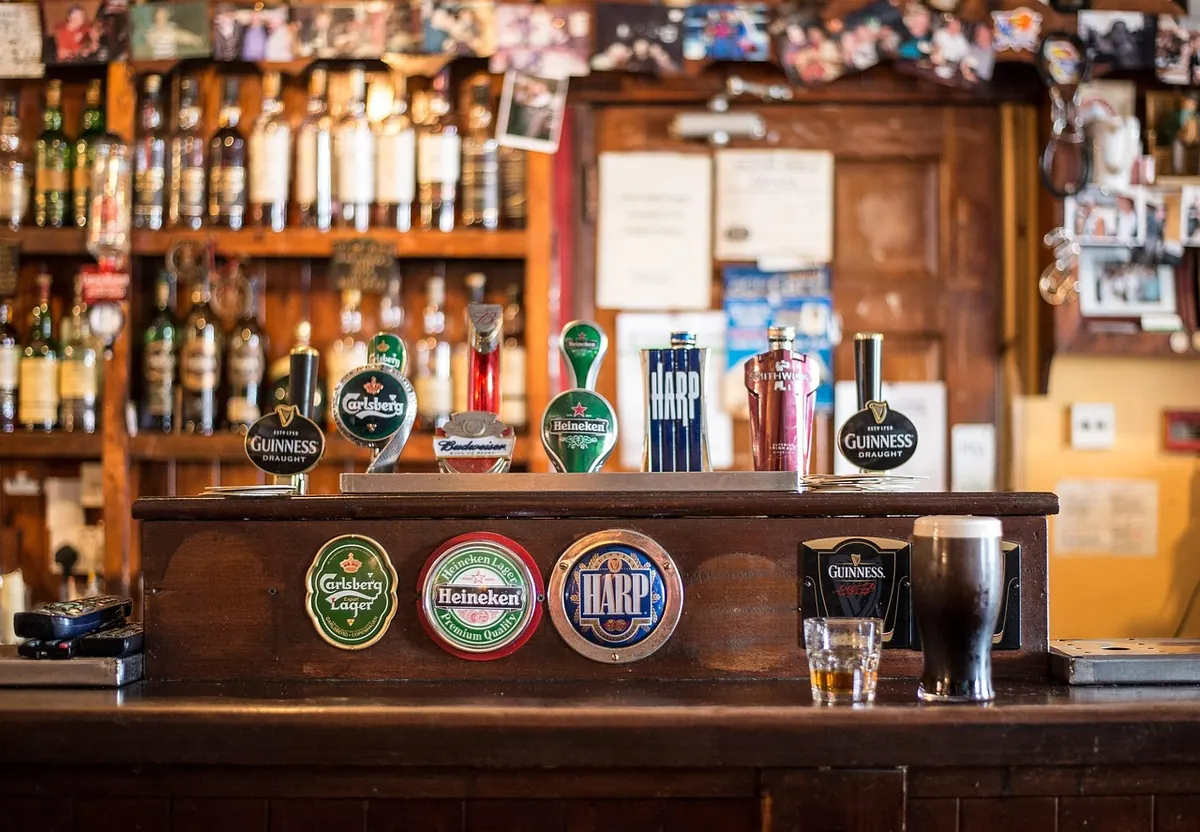
You settle onto a bar stool and take in the options. On the left, a row of hand pumps with clip-on labels and a chalked "just tapped" note. On the right, a bank of keg taps with names that sound like album titles. Both sides are beer. Both come from breweries that care about what they make. Yet they are brewed, stored and served on different principles, and understanding those differences is the fastest way to order a pint you will genuinely enjoy rather than one you politely finish.
Cask ale — also called real ale — goes into its cask while still alive. Yeast remains in the beer, and a slow secondary fermentation continues inside the vessel, naturally carbonating it. The cask is vented, tapped and served without added gas pressure, either through a hand pump or straight from the cask by gravity at a beer festival. Once it is open, the clock is running.
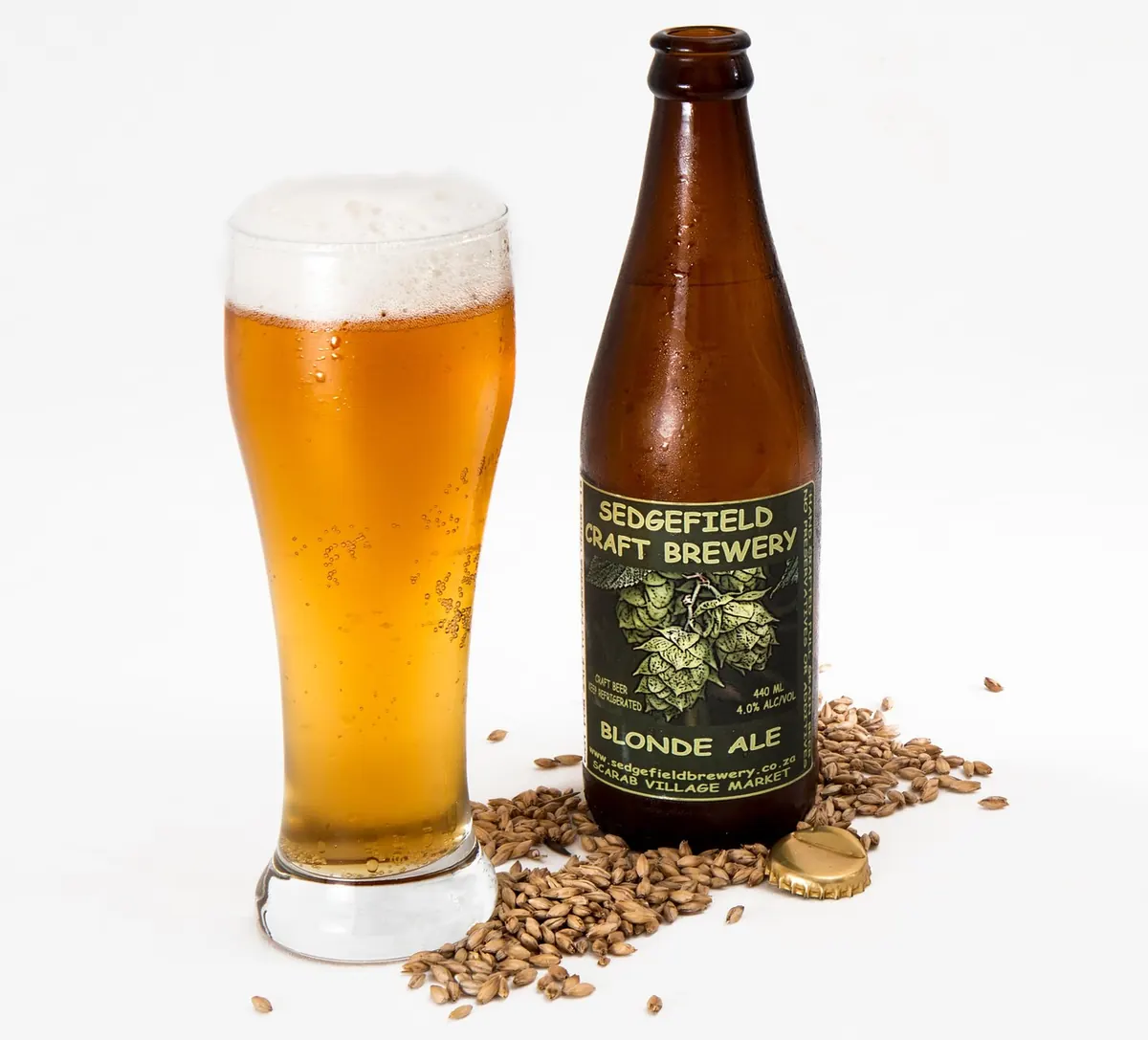
Craft beer is a broad, brewery-led term rather than a technical one. It usually means beer served from a sealed keg under pressure, carbonated with carbon dioxide or a nitrogen mix, and often brewed in smaller batches with an emphasis on hop character, unusual ingredients or style-twisting. A craft brewery can also make cask ale, and plenty do. The categories overlap more than the bar layout suggests.
Cask ale is served cellar cool, typically somewhere around 11 to 13°C. That is not warm — it is the temperature of a stone-floored cellar in a British pub, and it is deliberately chosen. At that point the malt sweetness, the yeast character and the earthy English hops all reach your nose at once. The old joke about warm beer comes from drinkers who expect lager-cold and get something closer to a cool kitchen.
Keg craft beer usually lands much colder, often between about 4 and 7°C, and some styles push colder still. Cold suppresses aroma and mutes malt, while sharpening bitterness and crispness. That is exactly what you want in a bright pilsner or a snappy pale ale on a hot afternoon. It is less helpful in a rich stout or a barley wine, which is why good bars serve those slightly warmer.
Practical upshot: if a cask pint arrives fridge-cold, it will taste thin and dull, and you are not imagining it. Let it sit a few minutes. If a keg beer arrives at cellar temperature, drink it quickly — it will go flat and flabby as it warms.
Cask carbonation is gentle, often described as a soft prickle rather than a fizz. The foam is loose and lacy, and the beer feels rounder and less aggressive on the tongue. Because there is little pressure, the texture is closer to a glass of still cider than to a can of cola.
Keg beer is carbonated to a precise level the brewer chooses, and that consistency shows: a tight, lasting head, a lively tingle, and a mouthfeel that can range from crisp and cleansing to creamy if nitrogen is involved. Nitrogenated stouts pour with that famous cascading surge and a thick, velvety cap.
Neither is better. They simply suit different moods — and different food. A soft cask bitter alongside a pork pie or a ploughman's lets the malt breathe. A highly carbonated keg IPA scrubs through fried food and resets your palate between bites.
Cask ale tends toward balance. Classic bitters, milds and golden ales often sit between roughly 3.5% and 4.5% alcohol and lean on malt backbone, gentle bitterness and a dry, refreshing finish. You can drink two without the room starting to tilt. Modern cask pales and IPAs, though, can be properly hoppy — do not assume cask means timid.
Keg craft beer tends toward impact. Bigger hop loads, tropical and citrus aromatics, hazy New England pales, sharp fruited sours, pastry stouts, imperial IPAs at double-digit strength. Alcohol is often higher, and flavours are pushed forward deliberately. A single half can be a full experience.
Freshness beats style every time. A well-kept ordinary bitter outdrinks a tired, over-hopped keg beer on any night of the week.
Cask ale is perishable once tapped. Air enters, oxidation begins, and the beer starts to fade. A well-run pub sells a cask within a couple of days of tapping; after three or four, you may notice wet cardboard, vinegar or a flat, tired finish. This is why turnover matters so much, and why a quiet pub with eight hand pumps is a riskier bet than a busy one with three.
Keg beer is sealed and pressurised, so it keeps far longer and pours consistently from the first pint to the last. The trade-off is that consistency can flatten character — and a keg line that is never cleaned will taste of nothing good. Both formats live or die on cellar discipline.
Where you are shapes what you should order.
You do not need to become a beer scholar. A few habits will carry you a long way.
Drink what you like, but drink it in the condition it was designed for. Cool, fresh, soft-poured cask is one of the great pleasures of pub life. Cold, bright, hop-forward keg beer is another. Knowing which is which turns a lucky guess into a reliable good pint — and that is worth the two minutes it takes to learn.
Photo: stevepb / Pixabay
Your happy place for drinks and good company.
Copyright © 2026 Cheerful Pub. All rights reserved. Cheerful Pub.