October 08, 2026


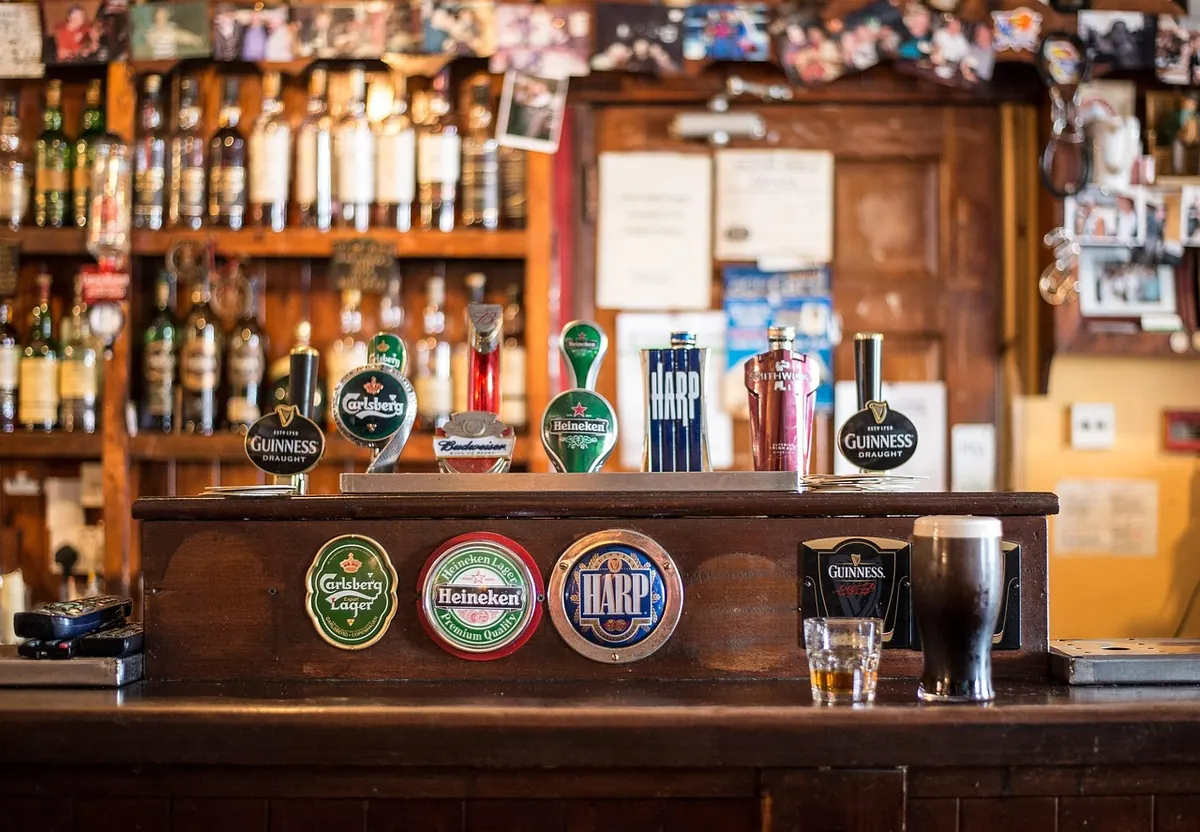
A good pub quiz is less about trivia than about rhythm. Teams want to settle in, get a drink, argue about a bass player, and feel the room tighten in the final round. Nail the pacing and the house rules and the questions almost look after themselves. Get them wrong and even a brilliant question sheet starts to feel like homework.
What follows is a working plan for a weekly quiz — the kind you can run for months without dreading Tuesday.
Midweek works: Tuesday, Wednesday, or Thursday. Thursday pulls the biggest crowd but you will be competing with every other venue in town, so a quieter night often builds a steadier following. What matters far more than the day is consistency. Same night, same time, every week for at least three months before you judge the turnout.
Set doors for 7pm and questions for 8pm, with a firm "we start at ten past" so latecomers learn. Choose a host whose voice carries to the back of the room without a microphone, who can read a question clearly, and who enjoys being gently ruthless with a table that will not stop shouting. If you own the place, hosting yourself builds loyalty — but train a deputy for holidays now, not in the week you need one.
Six rounds of eight questions is the reliable workhorse: forty-eight questions, roughly two hours including marking and a break. Vary the texture rather than the difficulty. A common shape:
Resist making whole rounds worth double points. It sounds dramatic and it usually produces a runaway leader by round four. Two bonus questions at the end give you the same thrill with far less damage.
Cap teams at six, or four in a small room, and say so on every poster. Big teams win too easily and new players never join them. Charge a small entry per player to fund the prize pot, or keep entry free and pay out in bar tab — the second option keeps the money behind your own bar, which is the point. Give every team a numbered table sign and a name card; it makes scoring and calling out results much faster.
Every question needs one unambiguous correct answer. "Which country has the longest coastline?" is fine. "Which country has the best beaches?" is an argument, not a question. Read your sheet aloud to one other person before the night; anything they query, cut or rewrite.
Build difficulty upward inside each round — first two questions easy, last two hard — so nobody is eliminated in the opening minute. Add a handful of local questions: a landmark, a former landlord, a shop that closed in 2009. Those are the questions people talk about afterwards.
Keep a spreadsheet. Note which questions landed, which caused a groan, and which produced a dispute. Never repeat a question within three months, and keep a reserve round written in advance for the week you are too busy to think.
When someone disputes an answer — and someone will — be warm, brief, and final: "The answer on my sheet is the one that counts, and I checked it twice." Then move on. Fifteen seconds of friendly authority keeps the room on your side.
Pacing is the difference between a quiz that ends at ten and one that drags past eleven. Read each question twice, then allow thirty to forty-five seconds for normal questions and a full minute for the hard ones. Do not confirm answers as you go, and do not let one table negotiate.
A timeline that works:
Mark after every two rounds rather than every round. It saves a quarter of an hour and gives teams a natural breather. Call the break clearly — "back in twelve minutes, sheets on the table" — and stick to it.
One point per correct answer. Teams swap sheets with a neighbour, the host reads the answers aloud, and everyone marks in a different colour pen. Then a runner collects sheets and one trusted person tallies them onto a whiteboard or clipboard.
Do not have the host read questions and keep score at the same time. That is how mistakes happen and arguments start. Announce standings after rounds two, four, and six, and read the bottom three as cheerfully as the top three — the wooden spoon race is often the most competitive thing in the room.
For a tie, use a written tiebreak: "Nearest guess to the year this bridge opened" or "How many miles from here to Dover?" Closest answer wins, no buzzing, no arguments.
Prizes do not need to be expensive, they need to be consistent. A jug of beer, a bottle of wine, a bar tab, or free entry to next week's quiz all work. Give a last-place prize too — chocolate, a novelty mug, a can of something strange — because it keeps struggling teams coming back.
Small touches build the habit: a chalkboard leaderboard by the door, a running joke that returns each week, a shout-out for a birthday, a photograph of the winning team on the wall. Post once a week on your social accounts with the winning team's name and score, and ask the teams themselves to share it.
One practical note on money: if you take cash entry, keep a simple written record of what came in and what went out on prizes. If you are unsure about licensing, tax, or gambling rules where you are, check with your local authority or a professional adviser before you start collecting fees.
The first few weeks will feel lumpy. Teams will arrive late, someone will argue about a football question, and you will overrun by twenty minutes. That is normal. Change one thing at a time — tighten a round, shorten a break, cut a confusing question — and by week six the room will run itself. Then you can start worrying about the questions, which is the fun part.
Photo: Ann H / Pexels

Your happy place for drinks and good company.
Copyright © 2026 Cheerful Pub. All rights reserved. Cheerful Pub.