October 08, 2026


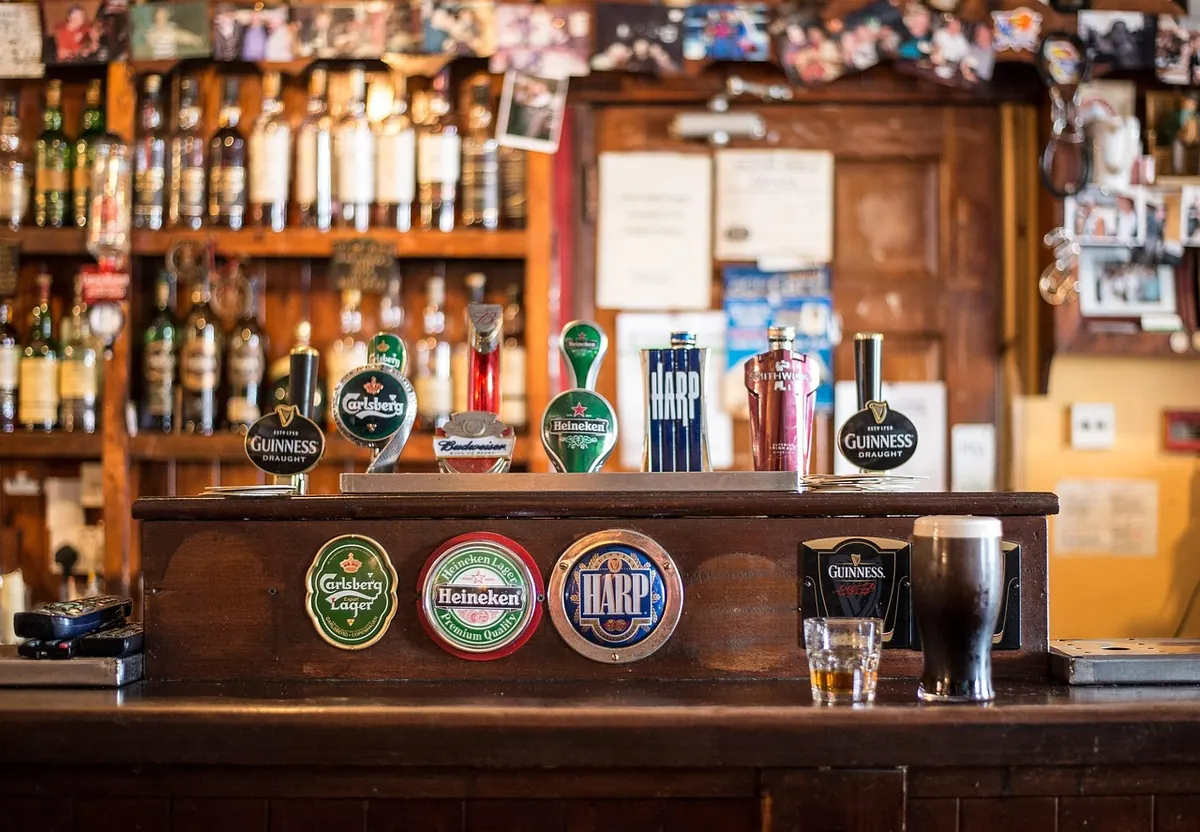
The first time you walk into a proper pub, nothing looks complicated. There is a bar, a few taps, and a room full of people who seem to know exactly what they are doing. Then you stand there with your wallet out and realise nobody has explained the rules. Do you wait to be seated? Do you tip on every drink? Whose turn is it to buy? None of it is written down, which is exactly why it matters. Get it right and you feel like part of the room within a week. Get it wrong and nobody says a word — they simply notice.
The bar is the heart of pub life and it runs on small courtesies. Walk up, find a spot, and don't plant yourself directly in front of the till or the taps where staff need to work. If there's a queue, it's usually a loose one — a line of people leaning rather than standing to attention. Watch which way the bartender is looking. They are keeping score of who arrived next, even when it doesn't look like it.
Then there's the waving. Don't. No clicking fingers, no leaning across the bar, no rattling coins. Catch an eye, nod, wait your turn. If you don't know what you want, it is entirely acceptable to ask for a recommendation or a small taste of a cask ale before committing. Staff would rather you ask than pour a pint you'll leave to go flat on the bar.
Order everything at once where you can. A round of six drinks requested one at a time is a small punishment for everyone involved, including the people behind you. If the pub offers table service, use it — but check first, because plenty still expect you at the bar.
Buying a round is the great social contract of the pub. Whoever asks "what are you having?" is buying the next set of drinks, and everyone in the group takes a turn. The system works because nobody has to keep a spreadsheet.
Nobody keeps score out loud. Everybody keeps score.
It falls apart when one person keeps accepting and never steps up. If you join a group mid-round, offer to get the next one — that gesture covers a lot of ground. If you're drinking slowly, or not drinking at all, you aren't obliged to join in. A soft drink in a round is still a drink, and most people won't blink. What matters is being upfront. Saying "I'm on my own tonight" before the first order lands is fine. Saying it after four rounds have been bought for you is not.
And the golden rule: never disappear when it's your turn. Buy your round first, then go.
For a quick drink or two, pay as you go. It keeps things simple and saves you standing in a queue at the end of the night.
A tab is a courtesy, not a right. Many pubs will hold a card behind the bar, some will simply trust you, and others — smaller places, busy nights — won't offer one at all. Ask, don't assume. If you're given a tab, keep half an eye on the running total and settle it before last orders rather than at the final bell, when three other people are trying to do the same thing.
Splitting the bill is where goodwill goes to die. Bartenders are not accountants. Put the whole thing on one card, work out the shares between yourselves, and sort it out later.
Cash still matters in a lot of pubs, particularly smaller ones, so it's worth carrying some. Practices differ from country to country and pub to pub; the sensible move is to follow what everyone else is doing.
This is the question visitors worry about most, and the honest answer is: it depends where you're standing and how you say it.
In the UK and Ireland, tipping on drinks is not expected. If the service was good, or you're settling in as a regular, "and one for yourself" is the classic move — you offer to buy the bartender a drink, and they either ring it in as a small addition or politely decline because the house doesn't allow it. Leaving the change from a round, or a pound or two at the end of the night, is always welcome. On food, ten percent is a generous gesture rather than an obligation.
In the United States, tipping bar staff is standard practice and forms a real part of their income. A dollar or two per drink, or roughly fifteen to twenty percent on a tab, is the usual expectation. Across much of continental Europe, rounding up is normal and a small note for good service is appreciated. Elsewhere, watch and learn: if the person next to you pays exact and walks away, that tells you plenty.
Pubs are not interchangeable. A back-street local, a gastropub with a chalkboard menu, a sports pub on match day and a quiet Sunday-afternoon boozer all carry different expectations, and the fastest way to fit in is to spend thirty seconds looking around before you do anything.
A few general points. In a busy pub, a jacket on a chair loosely claims a seat, but occupying a table for six when you're a party of two is poor form. Keep phone calls short or take them outside. If you're bringing a dog or children, check before you settle in — plenty of pubs welcome both, plenty don't.
Then say thank you on the way out. It sounds trivial. But in a pub where the staff learn faces, being the person who says goodnight is how you stop being a customer and start being a regular.
None of this needs a rehearsed script. Pub etiquette is really just attentiveness: knowing who's next, who bought last, and what the room is doing. Learn it once and you'll use it in every pub you walk into for the rest of your life. And if you do get something wrong, don't worry about it. Nobody will say a word. You'll just get it right the next time.
Photo: Sunriseforever / Pixabay
Your happy place for drinks and good company.
Copyright © 2026 Cheerful Pub. All rights reserved. Cheerful Pub.