October 08, 2026


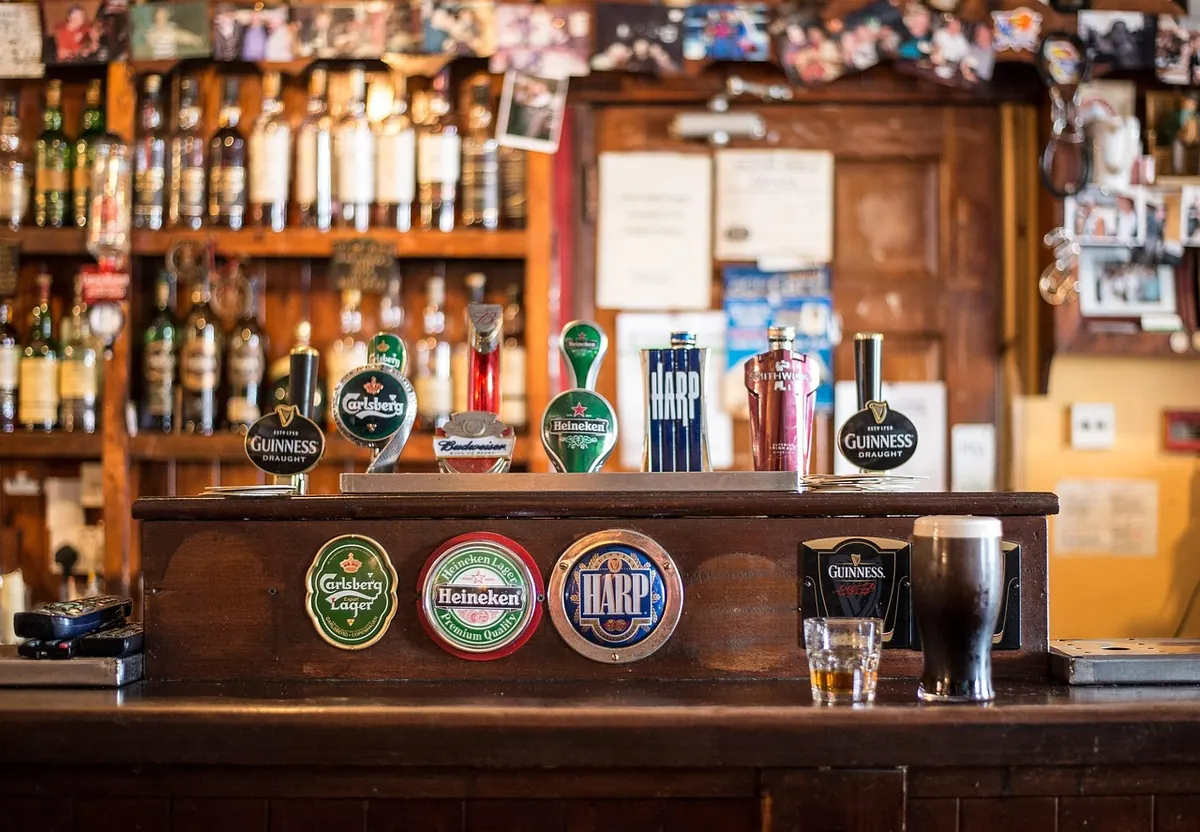
Every pub has a night that costs more than it earns. Usually it's Tuesday or Wednesday: the lines get pulled through, the lights are on, a handful of people sit at the bar and the till tells the same story it told last week. So you decide to put something on. In most pubs that decision comes down to two options that look similar from the outside and behave nothing alike on the night: a quiz, or a band.
They pull different people through the door, cost different kinds of money, take different amounts of your time and leave the room in very different states. Here's how the two compare when you're the one paying for it.
Start with the shape of the spending, because the shapes really are different.
A quiz night is mostly a fixed cost. You pay a host a fee, buy a few prizes, print some answer sheets, and that's the bulk of it. Whether twenty people turn up or seventy, the outlay barely moves. That predictability is the whole appeal: on a bad week a quiz costs roughly what it costs on a good week.
Live music scales. A solo act, a covers duo and a five-piece band with their own backline are three different purchases at three very different prices, and the fee rarely depends on how many people walk in. Add the extras: a PA if you don't already own one, someone to run the sound, an extra pair of hands behind the bar, a later finish, a longer clean-up.
A flat fee puts the risk on you. A split of the door takings shares it, though it means the band has an interest in the door and you have to be organised about collecting on the night. Whichever you choose, agree it in writing beforehand, including who covers the band's drinks and whether they get fed.
Quiz teams arrive early. Nobody wants to be the group pushing chairs around in round three, so fours and sixes drift in twenty minutes before the first question, get a table, buy a round and settle. They stay for the whole thing, eat while they play and drink steadily for two hours. It's a tidy, repeatable pattern, and because the same faces come back week after week, it's a night you can plan stock and staffing around.
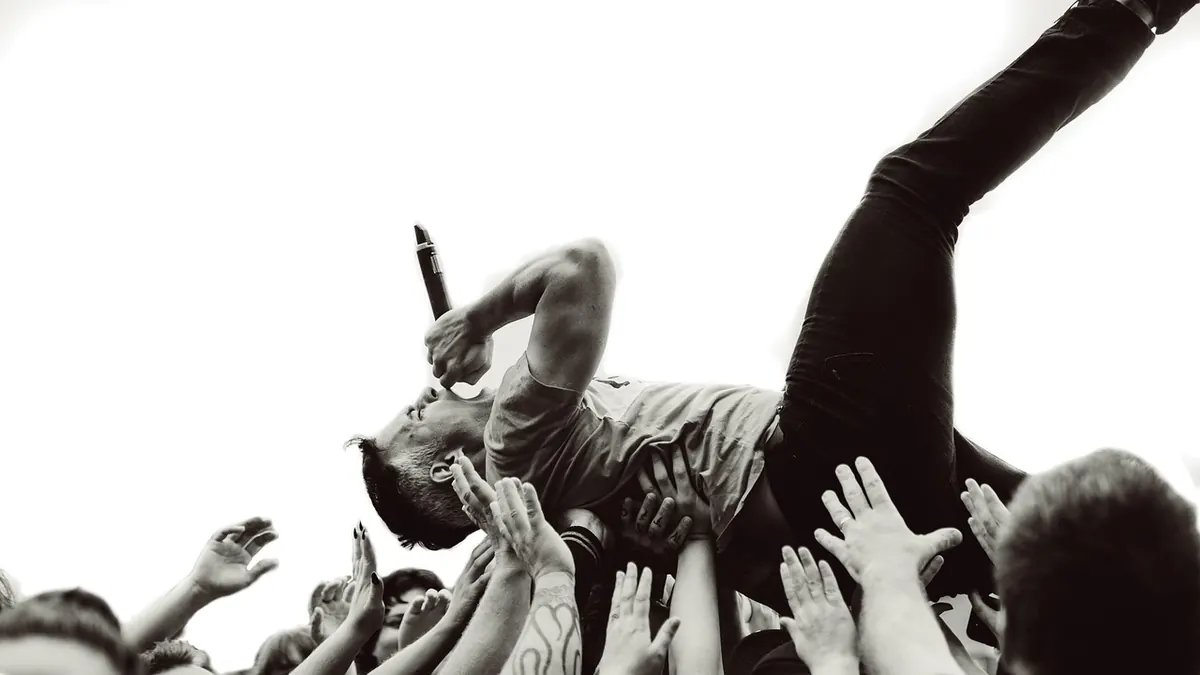
Music crowds behave differently. They come for the band first and the pub second. Arrival times cluster closer to the set, spending can be light if people are driving or watching their money, and a chunk of the room leaves when the last song ends. A band can still bring people who have never set foot in your pub, and some of them stay. But if the band's following is thin, you're paying a full fee for six people and a drum kit, and the room feels emptier than it did before.
Before you book anything, look at your building honestly.
Noise is the difference people underestimate. A quiz is a moderate roar that stops at a fixed time, usually by half ten. Live music is a sustained level for three or four hours, and bass travels through floors and across streets in a way conversation does not. If there are flats above you or houses opposite, check what your licence and any noise conditions actually allow before you advertise a band night, and be ready to run levels that sit inside them. Licensing rules vary from place to place, so take advice from your local authority or a licensing specialist rather than guessing.
A quiz asks one person to be entertaining for two hours, and your normal team to pour drinks and keep the room tidy. It ends when you say it ends. The kitchen can serve through it, the clean-up is ordinary, and nobody has to be told to be quiet at eleven.
A band night reshapes the whole day. Gear arrives during prep, the sound check happens when you'd rather the room was calm, there's equipment to trip over, and the finish is later by an hour or more. Staff who will happily work a quiz every Tuesday may not thank you for a weekly midnight clean-up. If you're deciding on staffing grounds alone, the quiz is the easier commitment.
Don't run both on the same night. A quiz and a band fight over the same space, the same ears and the same bar staff, and you'll do neither well.
If your pub is small, low-ceilinged, full of regulars and wrapped in neighbours, the quiz is the lower-risk, more repeatable night. If you have a back room with a hard floor and some space, parking nearby, and a crowd that already comes out at weekends, music can bring in people a quiz never would.
You don't have to pick one forever. Plenty of pubs run a quiz on a Tuesday and music on a Saturday, and let each do its own job. Whichever you choose, give it a regular slot, watch the margin rather than the atmosphere, and if the figures start to matter for the future of the business, put them in front of your accountant before you sign up for another twelve months of either.
Photo: westphotoandvideo / Pixabay
Your happy place for drinks and good company.
Copyright © 2026 Cheerful Pub. All rights reserved. Cheerful Pub.